

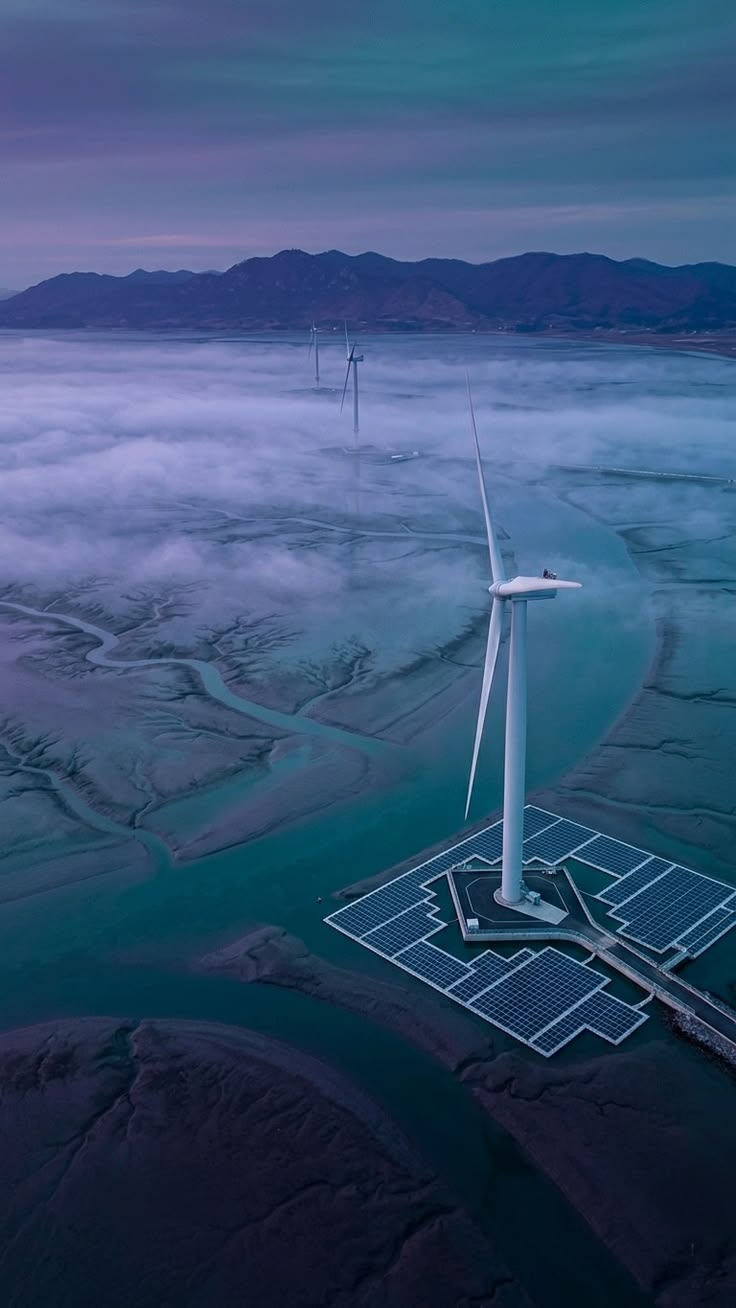
Power forecasting helps estimate future wind energy generation by analyzing wind conditions, historical data, and relevant operating factors. By evaluating expected wind patterns and power generation trends, we provide practical insights that support better energy planning and operational decisions. Our approach helps improve visibility into expected power output and supports more effective management of renewable energy resources.
Analyze wind conditions and relevant historical data to understand patterns that influence expected renewable power generation.
Estimate expected wind power generation by evaluating forecast data and operating conditions for clearer energy planning.
Use forecast insights to support better energy management, operational planning, and informed renewable power decisions.
Analyze wind conditions and relevant data to identify patterns that can influence expected wind power generation.
Estimate expected power generation using available wind information and operating conditions to support better energy planning.
Use forecast information to support energy management, operational planning, and more informed renewable power decisions.
Explore common questions about wind power forecasting, wind conditions, expected energy output, and how forecast insights can support better renewable energy planning.
Understand Expected Wind Power Generation
Support Better Energy Planning Through Forecast Insights
Power forecasting is the process of estimating future wind power generation by analyzing wind conditions, historical information, operating factors, and other relevant data that can influence energy output.
Power forecasting can use wind speed, wind direction, historical generation data, weather-related information, turbine characteristics, and relevant operating conditions to estimate expected power output.
Power forecasting provides an estimate of expected renewable energy generation, helping support better energy planning, operational decisions, and management of available wind power resources.
Forecast information can provide greater visibility into expected power generation, allowing energy teams to plan operations, manage resources, and make more informed decisions based on anticipated renewable energy output.
We gather relevant wind, weather, historical generation, and operating data needed to understand the factors affecting expected power output.
We analyze wind patterns and relevant data to understand conditions that can influence future renewable power generation.
The analyzed information is used to estimate expected power generation and identify potential changes in renewable energy output.
Forecast results are organized into insights to support energy planning, operational decisions, and better management of renewable power resources.